Is Bowie Worth It for Buyers Commuting to D.C.?
May 7, 2026
May 7, 2026
If you work in Washington, D.C. but want more room to breathe at home, Bowie is probably already on your radar. It offers a suburban setup, a wider mix of larger homes, and everyday conveniences that can make life feel a little easier after a long workday. The real question is whether the commute, housing options, and price point line up with what you want long term. Let’s dive in.
Yes, for many buyers, Bowie can be a workable choice, but it helps to go in with the right expectations. Bowie is not a direct Metrorail suburb, so your commute plan will usually involve driving, a park-and-ride connection, bus access, vanpooling, or MARC commuter rail.
The City of Bowie points to several commuter routes and connections, including Metrobus service to New Carrollton, vanpools from the Bowie and Crofton area, and MARC service at Bowie State University. There is also a park-and-ride lot on Northview Drive for commuters connecting toward New Carrollton.
If rail matters to you, the MARC Penn Line is the strongest option to know. Maryland MTA says the line runs between Baltimore Penn Station and Union Station in D.C., with stops at Bowie State University and New Carrollton. On one sample weekday timetable, a trip from Bowie State to Union Station took about 27 minutes.
Bowie works best when you are comfortable with a commute strategy instead of a single-seat Metro ride. For some buyers, that is completely manageable, especially if you work hybrid, have flexible hours, or only go into D.C. a few days a week.
Local data also shows Bowie remains a car-first community. According to ACS data reported by Maryland Planning, 60.6% of workers drove alone, 3.0% used public transportation, and 26.0% worked from home. The same source shows a mean travel time to work of 34.8 minutes.
That average commute is longer than some closer-in Prince George’s County options. Maryland Planning reports mean travel times of 33.7 minutes in Hyattsville and 26.2 minutes in College Park. In plain terms, living in Bowie may mean more house and more breathing room, but it can also mean giving up some commute convenience.
For the right buyer, Bowie is not just about the trip into D.C. It is about what you get when you come home.
The city describes Bowie as convenient to Washington, Annapolis, and Baltimore, with access to major roads including US 50, US 301/3, MD 214, MD 197, MD 450, MD 564, and Hall Road. That road network matters if your work, family, or daily routine stretches beyond one destination.
Bowie also brings the kind of suburban support many move-up and relocation buyers want. The city reports more than 1,373 acres of parks and preserved open space, more than 28 miles of paths and trails, 97 ballfields and parks, more than 90 restaurants, 200 shops, and a dozen recreation opportunities.
If your goal is to balance work access with everyday space, Bowie can check a lot of boxes. You may spend more time commuting than you would in a closer-in location, but you often gain a more spacious home and a lifestyle built around room, routine, and convenience.
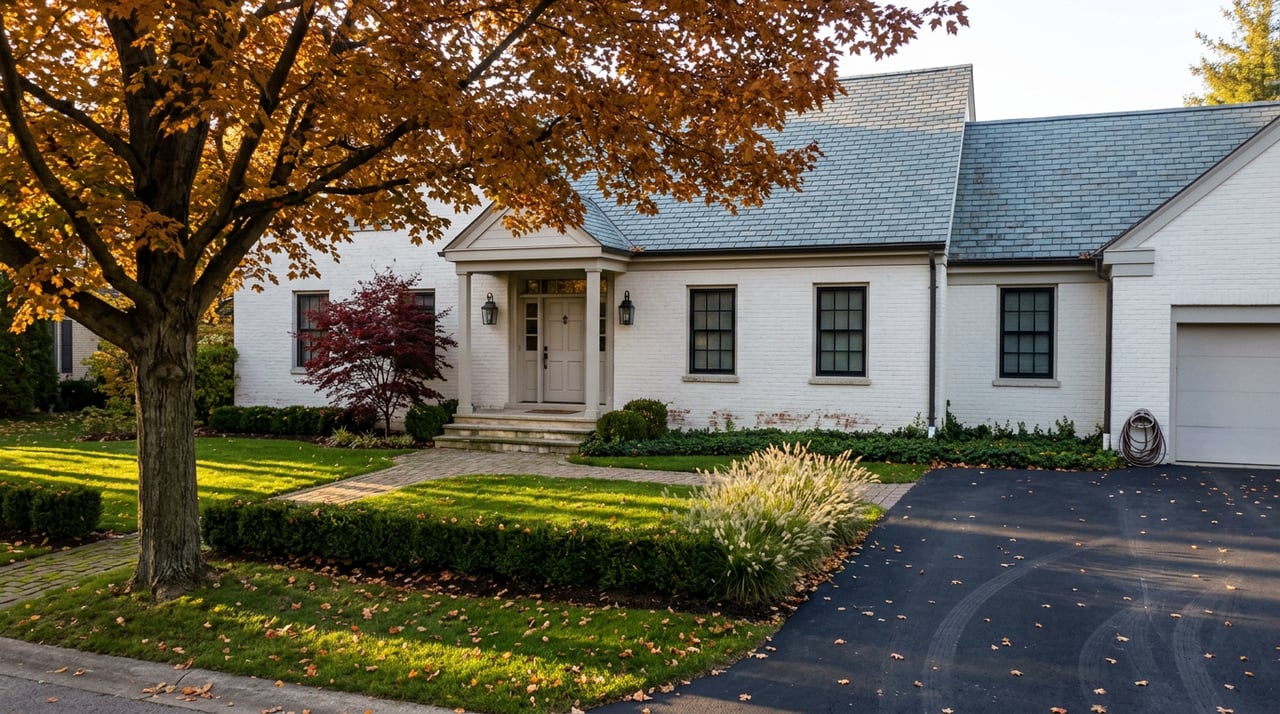
Bowie’s housing stock still leans clearly suburban. The city’s 2022 housing inventory estimate shows about 68% single-family homes, 18% townhouses, and 14% multifamily units.
That breakdown helps explain why Bowie often appeals to buyers who feel squeezed by smaller, attached housing options in closer-in markets. A city housing analysis also described Bowie as predominantly single-family and owner-occupied, with most owner-occupied homes offering three or more bedrooms.
That does not mean Bowie is standing still. The city’s 2022 permit data showed 57 townhouses and 417 multifamily units permitted, compared with just 1 single-family home. That suggests buyers may continue to see more attached and multifamily choices entering the pipeline over time.
If you are comparing Bowie to places like Hyattsville, College Park, or New Carrollton, the biggest difference is often the type of home and the daily feel. Research in the report points to more attached and condo-style inventory in closer-in markets, while Bowie is still more closely associated with single-family homes and larger suburban layouts.
That can make Bowie attractive if you are moving out of a condo, outgrowing a smaller townhome, or trying to find more usable square footage without jumping into D.C. pricing. It can also be appealing if you want a suburban environment but still need practical access into the broader metro area.
Bowie is usually a value play compared with D.C., but not a bargain market. Redfin reported a March 2026 median sale price of $512,500 in Bowie, with homes selling in about 44 days and averaging about $250 per square foot.
That compares with a March 2026 median sale price of $676,500 in Washington, D.C., where Redfin reported about $501 per square foot. So while Bowie is still part of a competitive metro market, your budget may stretch further there in terms of home size and lot size.
Within Prince George’s County, Bowie sits higher than some closer-in alternatives. Redfin reported median sale prices of $435,000 in Hyattsville, $490,000 in College Park, and $350,000 in New Carrollton. That puts Bowie in an interesting middle position: often less expensive than D.C., but higher than several nearby commuter-oriented options.
For many buyers, the question is not just, “What costs less?” It is, “What fits my life best?”
If being closer to D.C. is your top priority, a lower-priced or more transit-connected option may make more sense. But if you want more interior space, more suburban housing choices, and a lifestyle that feels less compressed, Bowie may justify the higher price compared with some nearby suburbs.
Realtor.com also reported 368 homes for sale in Bowie in February 2026, with a median listing price near $550,000, median days on market of 47, and a 100% sale-to-list ratio. Buyers should read that as a reminder that even when Bowie offers more value than D.C., preparation still matters.
Bowie can be a strong fit if you see your home as more than a crash pad between workdays. It often makes sense for buyers who want to trade some commute simplicity for more square footage, more bedrooms, more outdoor space, or a more suburban daily rhythm.
It can also work well if you are hybrid and do not need to be in D.C. every day. When commuting is occasional instead of daily, Bowie's space and lifestyle advantages can feel much more compelling.
For relocation buyers, first-time buyers moving beyond condo living, and move-up households, Bowie is often worth a serious look. The key is to be honest about your commute tolerance, your home priorities, and how often you really need fast access to the city.
Before you decide, it helps to pressure-test the tradeoff. Ask yourself:
These answers can make your path much clearer. In a market like the DMV, the best choice is usually the one that fits both your schedule and your long-term lifestyle.
If you are weighing Bowie against other commuter-friendly options in Maryland or D.C., having a local strategy matters. The Dapo Group can help you compare commute patterns, home styles, and price points across the DMV so you can buy with confidence.
Stay up to date on the latest real estate trends.




When you work with The DAPO Group, you gain more than agents—you gain dedicated partners committed to your long-term success. Whether buying, selling, or investing, we’re ready to help you move forward with clarity and confidence.

The DAPO Group
4806 Rhode Island Ave Hyattsville MD 20781